Universal Design Starts at the Door

A welcoming entry should work for a grandchild with a stroller, a neighbor carrying groceries, and an older adult using a cane, walker, or wheelchair. Good design anticipates different body sizes, strength levels, and approaches from outdoors and indoors. It reduces effort, removes guesswork, and avoids last-minute compromises that feel clinical. Here we translate inclusive principles into simple, beautiful moves you can implement in renovations or new builds without sacrificing curb appeal or personal character.

Clear Width and Turning Space

Ensure a clear opening of at least thirty-two inches when the door is open ninety degrees; many homeowners choose a thirty-six-inch door to comfortably exceed that. Provide an approach with adequate strike-side clearance, ideally eighteen inches on the pull side. Where possible, include a sixty-inch turning circle or comparable T-shaped turning space. These dimensions help walkers, wheelchairs, and delivery carts maneuver gracefully, reducing stress, bumping, and awkward backing. More space feels luxurious, not institutional.

Approach Routes That Welcome

Comfort begins well before the threshold. Provide smooth, even surfaces with gentle cross slopes, minimal changes in level, and clear edges for cane detection. If site grading allows, target a near-level approach or prolonged slopes around one in twenty, which often avoid ramp classification. Add rest opportunities, like a sturdy bench or leaning rail, so arrivals can pause, set bags down, or catch breath. Generous landings near the door foster safety, conversation, and an unhurried pace.

Smarter Thresholds, Ramps, and Level Changes

Create at-grade entries by coordinating foundation heights, exterior grading, and door sill products. Recessed pans with integrated flashing and surface drains can keep water away without adding a trip edge. For storms, use overhangs and wind breaks rather than tall thresholds. Align interior flooring for a continuous surface, minimizing transitions. When designing from scratch, plan finished floor elevations early with site drainage in mind. These moves prevent later compromises and keep the welcome mat truly level and secure.
If elevation differences persist, a ramp can excel when designed generously. Aim for a slope no steeper than one in twelve, with level landings at top and bottom, and intermediate landings for long runs or direction changes. Provide sturdy handrails on both sides when rises exceed a few inches, and ensure edge protection to prevent wheels from slipping off. Good lighting, non-slip textures, and weather protection complete the experience. A well-designed ramp feels like a gentle walkway, not an obstacle.
Sometimes the last half inch is the biggest problem. Follow guidance that keeps thresholds very low, beveled, and well sealed, aiming for a minimal height that wheels glide over without catching. Where needed, use small, contrasting bevels to provide visibility and easier approach for canes. Indoors, transition strips should be shallow, stable, and tightly fixed. The goal is to maintain continuous movement without hesitation or shuffling. Comfort grows every time a tiny interruption disappears underfoot.

Lighting, Contrast, and Wayfinding

Our eyes change with age, making glare, deep shadows, and low contrast especially troublesome at dusk and night. Balance brightness and diffusion so faces, steps, and hardware are plainly visible without harsh hotspots. Provide distinct color or tonal contrast at door edges, thresholds, and handrails for quick recognition. Add motion-activated path lights and night-friendly temperatures that feel welcoming. Intuitive cues make orientation effortless, whether returning with packages, using a walker, or meeting a friend at the porch.

Seeing the Edges

Increase contrast where precision matters most: the threshold, door perimeter, and hardware. Choose finishes that clearly separate the door leaf from the frame and surrounding wall. Use a subtly darker floor at the landing to define the stopping zone. Avoid glossy tiles that mirror water or reflect glare. Add a contrasting handrail or grab point near the latch. These cues assist depth perception, reduce stumbles, and release cognitive load, so energy can go toward connection rather than navigation.

Light Without Glare

Layer light from multiple sources: gentle wall sconces to wash surfaces, shielded downlights for key tasks, and motion sensors to activate guidance as you approach. Aim for comfortable brightness without sparkle, using warmer color temperatures around twenty-seven to three thousand Kelvin. Ensure fixtures do not shine directly into eyes from seated positions. Consider low-level path lighting to outline the walkway and landing. Reliable lighting choices raise confidence on rainy evenings, icy mornings, and countless everyday moments in between.

Orientation and Cues

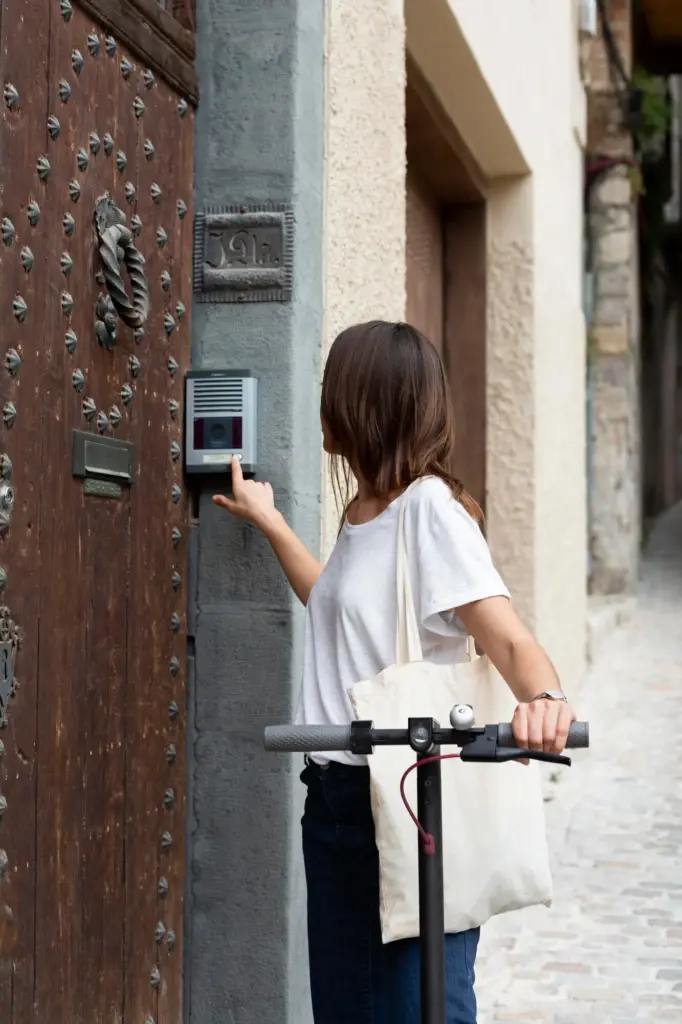
Wayfinding begins at the curb. Make the house number large, high-contrast, and well lit so helpers, deliveries, and guests never hesitate. Add a doorbell with a visual indicator and an option to ring through a smart speaker for hearing support. Place tactile mats or textures where stopping or turning is expected. Clear sightlines from car to door reduce anxiety. These small signals create a narrative of arrival that remains consistent and comforting, day after day, season after season.

Hardware, Security, and Ease of Use

Hardware and access systems can empower independence when chosen thoughtfully. Favor handles and locks that are intuitive, require little strength, and work reliably with cold hands or limited dexterity. Consider keyless options with clear feedback and mechanical backups, plus viewers or cameras that respect privacy while improving safety. Place controls within comfortable reach from standing or seated positions. The right combination balances security and simplicity, transforming the act of entering home into a calm, unhurried ritual.

Hand-Friendly Hardware

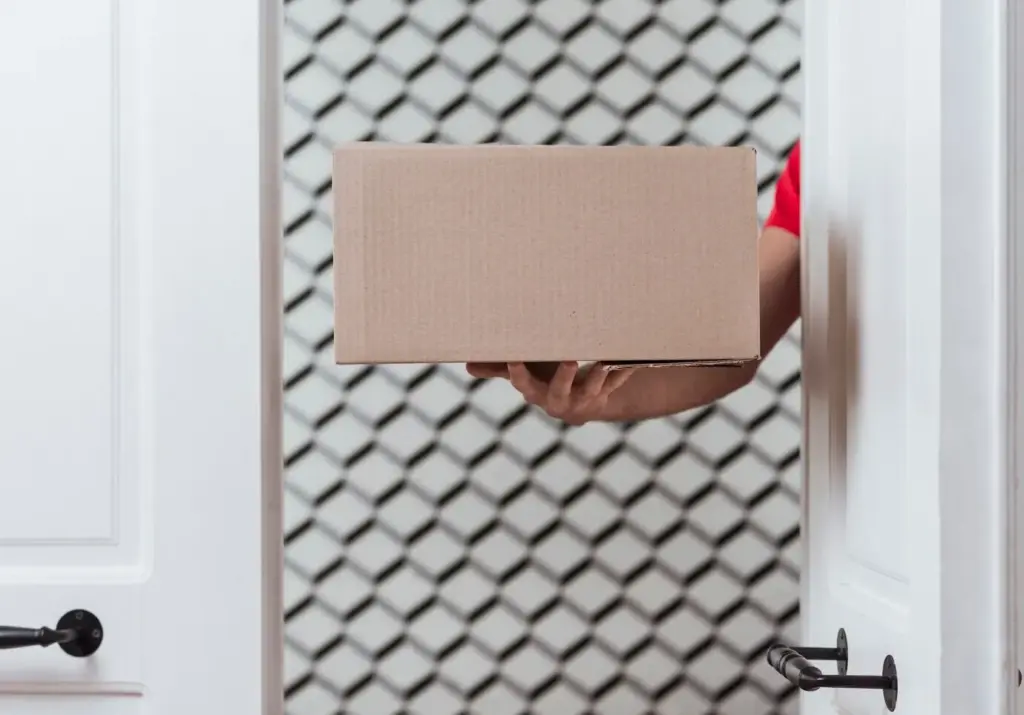
Select lever handles with generous returns, D-pulls, or paddle latches that work well with reduced grip or arthritic fingers. Ensure smooth operation with minimal force and a predictable latch. Backplates can enlarge the target for easier aim. Consider offset hinges to maximize clear width without reframing, and gentle closers that do not fight the user. Every touchpoint should feel forgiving, dependable, and easy to understand. Comfort at the hand is comfort for the whole body arriving.

Keyless Confidence

Keypads, fobs, or phone-based access can be wonderful when set up with clarity. Choose systems with tactile buttons, audible and visual confirmation, and battery fail-safes. Keep a mechanical key backup accessible to trusted people. Avoid tiny touchscreens that struggle in cold weather or with gloves. Program temporary codes for caregivers or deliveries and revoke them easily. Simplicity and reliability win over flashiness. The goal is effortless entry, not a complex gadget that increases anxiety or dependence.

Keep Water Away

Extend a protective overhang or canopy to shield the door and landing, paired with well-placed gutters and downspouts that route water far from footpaths. Use sloped paving and discreet trench drains to intercept runoff before it reaches the threshold. Specify sills with integral flashing and end dams to resist wind-driven rain. Good water management prevents slippery algae, icing, and warping. It also protects the building envelope, safeguarding investments while supporting effortless, unhurried arrivals in any weather.

Underfoot Matters

Prioritize slip-resistant textures that maintain traction wet or dry. Bush-hammered concrete, broom finishes, textured porcelain, resin-bound aggregate, and certain pavers provide comfortable grip without looking industrial. Avoid loose gravel where wheels or canes sink. Consider color contrast to delineate edges and landings. Maintain surfaces to prevent moss buildup and smooth out frost heaves. The result is a footing that supports confident strides, safe pivoting, and gentle braking with walkers, minimizing stress even when conditions are unpredictable.

Seasonal Strategies

Where winters are harsh, plan a storage nook for shovels, deicers safe for concrete and pets, and a place to set wet footwear or mobility devices. Heated mats or hydronic snow-melt systems can reduce labor and risk on critical paths. In storm-prone regions, wind screens and shaped plantings can tame gusts at the landing. Thoughtful seasonal provisions keep the entry reliable year-round, turning weather from a dreaded adversary into a manageable, even anticipated, part of daily routines.

Aesthetics, Stories, and Dignity

Barrier-free can be beautiful. Shape, color, planting, and texture can express personality while gently guiding movement. Weaving practical details into an inviting composition avoids any clinical impression and celebrates life at home. Consider a porch that invites conversation, a ramp disguised as a garden path, or a threshold that simply disappears. Dignity grows when the environment supports independence without announcing limitations. Real experiences, shared openly, help refine choices and inspire neighbors to make their own welcoming changes.

Curb Appeal With Purpose

Blend slopes into the landscape with soft curves, low walls for casual seating, and plantings that frame the path without narrowing it. Choose a front door color that lifts the spirit and is easily recognized by friends with memory challenges. Incorporate a bench near the latch so packages and hands can rest. These moves broadcast hospitality and care. They also prove that practical ideas can elevate beauty, drawing people forward with delight rather than obligation.

Materials That Age Gracefully

Favor finishes that resist weather and require gentle maintenance. Fiberglass or well-insulated steel doors, UV-stable stains, composite trim, and durable, non-slick pavers keep appearances steady with less effort. Prioritize materials that can be cleaned without ladders or harsh chemicals. Good choices retain color, texture, and crisp lines through years of sunlight and rain. When aging at home, reliability saves energy and money, leaving more time for the relationships and rituals that make a house feel alive.

Planning, Budget, and Maintenance

A lasting entry grows from a clear plan, realistic budget, and routine care. Start with the hazards you face most often and phase improvements over time. Coordinate permits, drainage, and structural needs early, and document accessible dimensions so contractors align with your goals. Create a short maintenance ritual for lighting, hardware, and surfaces. Transparent planning reduces surprises, protects resources, and ensures your doorway stays dependable long after the ribbon-cutting glow fades.
Begin with quick wins that transform daily comfort: brighter glare-free lighting, lever handles, and a stable landing mat with beveled edges. Next, address surface evenness, handholds, and contrast. Plan larger moves—zero-step entries, ramps, canopies—around weather and budgets. Keep future mobility in mind even if today feels fine. Phasing avoids overwhelm and spreads costs while steadily elevating safety and joy at the front door. Progress matters more than perfection perfectly timed.
Costs vary by site conditions and scope, so build a range with contingencies for drainage, structural work, and finishes. Explore rebates or grants for accessibility improvements, especially for aging at home or energy-efficient lighting upgrades. Use durable, low-maintenance materials to lower lifetime costs. Prioritize investments that remove daily friction, like zero-step entries, generous landings, and reliable illumination. A clear budget conversation invites smarter trade-offs, ensuring resources land where they protect dignity and independence most.
Rumonovupolavula
Privacy Overview

This website uses cookies so that we can provide you with the best user experience possible. Cookie information is stored in your browser and performs functions such as recognising you when you return to our website and helping our team to understand which sections of the website you find most interesting and useful.